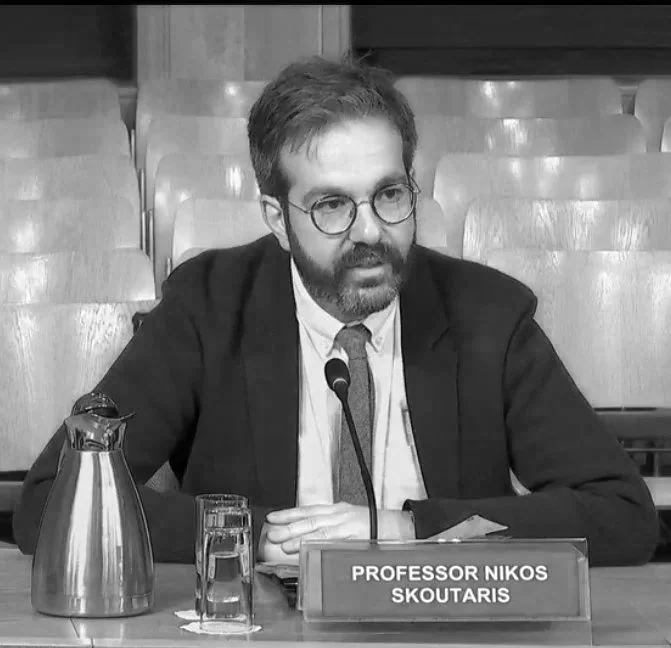
It was a great pleasure to provide oral and written evidence to the Scottish Parliament's Constitution, Europe, External Affairs and Culture Committee as part of its inquiry examining ‘options for a legal mechanism for triggering any independence referendum.’
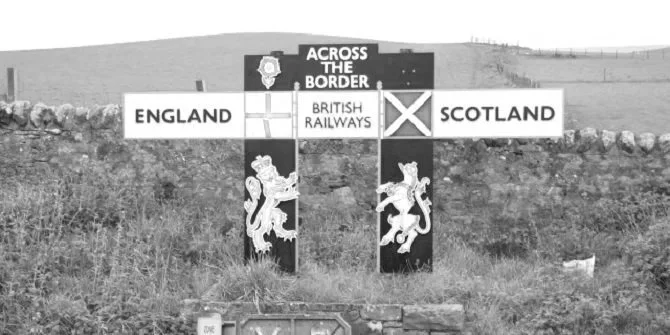
In the wake of the Supreme Court’s decision in the Independence Referendum Bill Reference, a genuine question arises: does the Scottish Parliament have any viable route to initiate the process that could lead to a second Scottish independence referendum?
There is little doubt that, the cumulative effect of the recent Supreme Court case law is that the devolved institutions are precluded from taking measures whose purpose is to pressure the UK Parliament into agreeing to the dissolution of the Union.
But what if we shift the focus of the political process slightly?
It is beyond dispute that, ‘the Scottish Government can negotiate with the United Kingdom Government in relation to reserved matters, for example where a section 30 order is sought.’ If that is so, the Scottish Government remains entitled to engage politically with the UK Government to seek agreement on a section 30 Order permitting the organisation of another independence referendum.
To demonstrate a democratic mandate for such negotiations, Holyrood could arguably legislate for a political process (consultation/petition or even a referendum)—one that falls within devolved competence—asking whether the people of Scotland support the Scottish Government entering into negotiations with the UK Government for the issuing of a section 30 Order. Crucially, this would be a referendum not on the constitutional future of the Union itself (a reserved matter), but on whether the Scottish Government should pursue negotiations aimed at securing the legal mechanism for a future independence vote.
You can download his legal argument here while the video of the session can be found here.